November 3, 2026
Choosing materials is an important part of planning a roof installation or replacement. The materials selected affect the roof's appearance, while installation components such as underlayment, flashing, and ventilation contribute to the overall roofing system. A roofing service can help property owners assess the existing roof, consider local weather exposure, and review available shingle styles and colors.
Important Material Choices
Review Asphalt Shingle Options
Asphalt shingles are available in different styles and colors, giving property owners options when planning a new roof. The selected appearance should complement the property and reflect the owner's preferences. A roofing service can explain the installation steps involved and help clarify which parts of the existing roof may require attention.
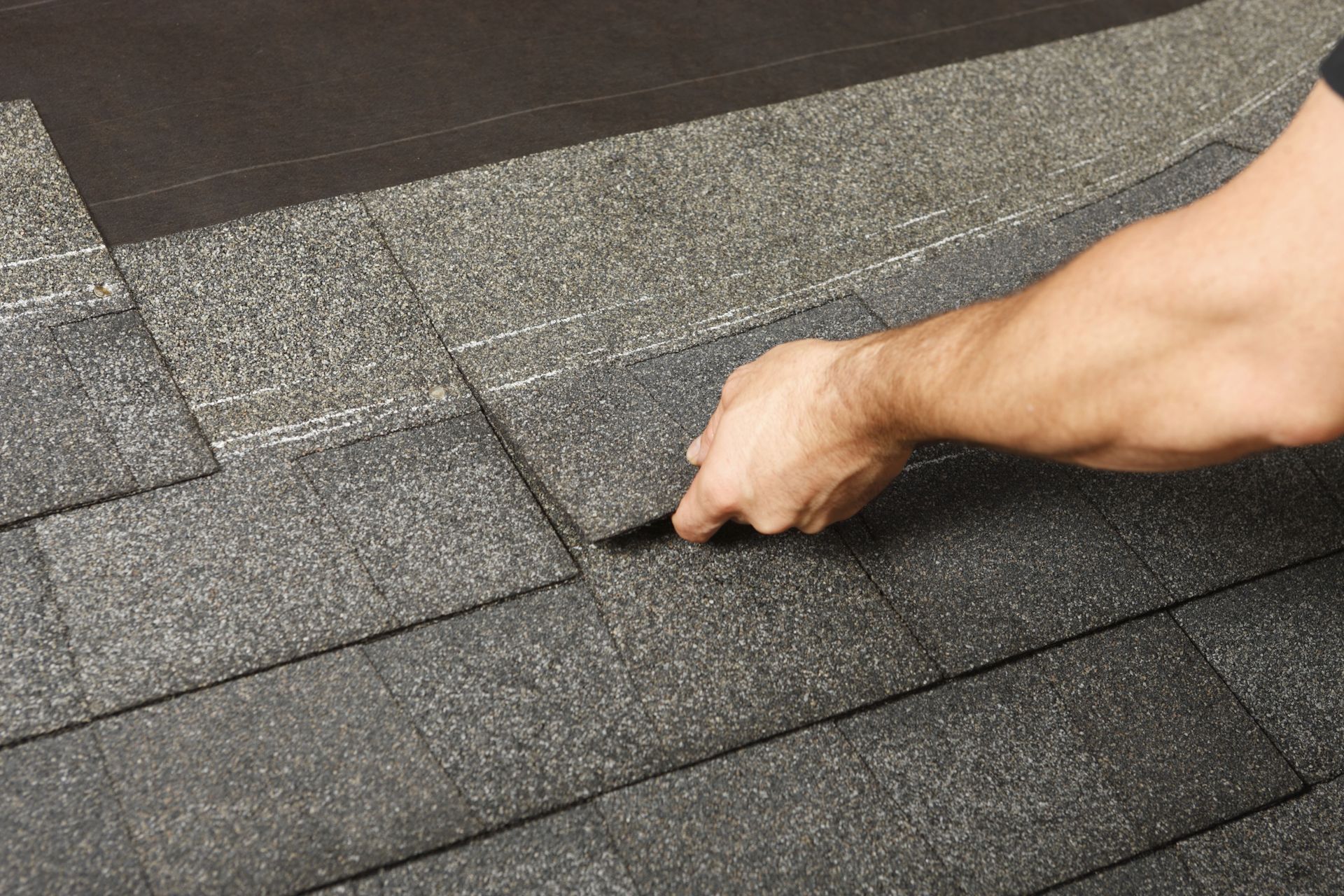
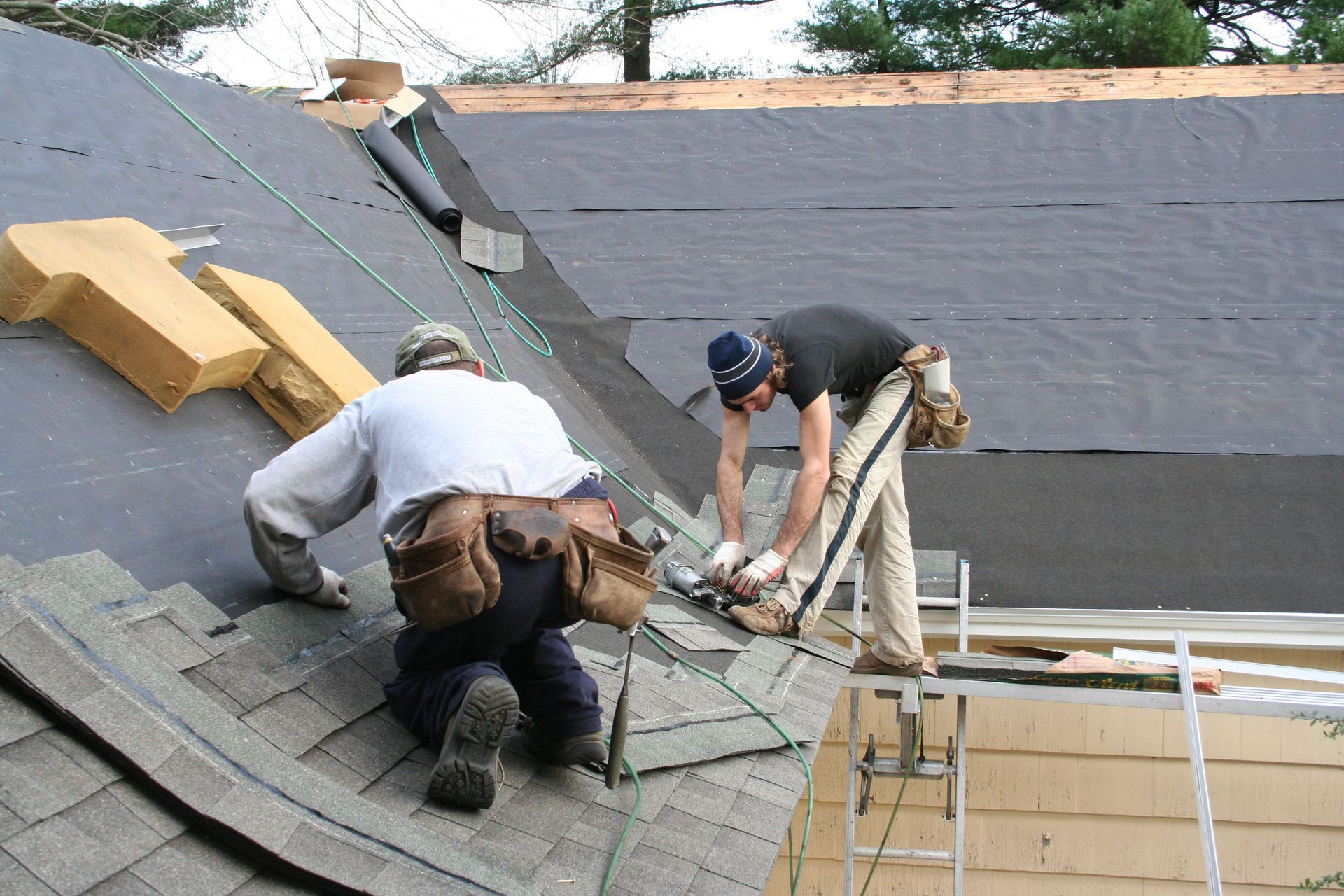
A new asphalt shingle installation may involve removing existing materials, inspecting and preparing the roof deck, installing underlayment, and fitting flashing around chimneys and vents. Proper shingle placement, nailing, ridge vents, and ridge caps are also part of the installation process. Site cleanup completes the work by removing discarded roofing materials and debris.
Essential Roof Installation Components
Prepare the Roof Deck
The roof deck provides the base for the roofing materials, making its condition an important consideration during replacement. When a tear-off is necessary, existing roofing materials are removed to expose the deck for inspection and preparation. A roofing service can identify visible concerns and determine whether corrective work may be needed before the new roofing system is installed.
Understanding the preparation process helps property owners know what to expect during a replacement project. Removing the existing materials also allows the roofing team to examine areas that may have been concealed beneath the old roof. Addressing identified concerns before installing new shingles helps ensure that the project accounts for the roof's condition rather than focusing only on its visible surface.
Install Underlayment and Flashing
Underlayment and flashing serve different purposes within an asphalt shingle roofing system. Underlayment creates a moisture barrier beneath the shingles, while flashing helps protect vulnerable areas where water could enter. These areas include roof sections around chimneys, vents, valleys, and other potential leak points.
When planning a roof replacement, consider the condition of these components alongside the shingles themselves. Damaged flashing or other vulnerable areas may contribute to leaks, so identifying problems during an inspection can help determine the work needed. A roofing service can assess these areas and explain which components may require repair or replacement.
Review Roof Ventilation
Roof ventilation is another component to consider during installation. Ridge vents and ridge caps are included in the asphalt shingle installation process, alongside underlayment, flashing, and shingle placement. These elements should be considered as part of the overall roof rather than as isolated details.
When preparing for a replacement, ask which components are included in the proposed work and whether any existing concerns need to be addressed. Understanding the installation plan helps property owners follow the project's scope. It also clarifies the different parts that contribute to the completed roof.
Severe Weather and Roof Protection
Consider Local Weather Conditions
Local weather is an important consideration when assessing roof condition and planning repairs. Wind, heavy rain, hail, and other severe weather can damage shingles and expose vulnerable areas. After a storm, property owners should look for visible changes, including missing or cracked shingles, leaks, and signs of water intrusion.
Roofing materials and components should be installed with attention to the property's specific needs. An inspection can help identify visible concerns and establish whether repairs or replacement may be appropriate. A roofing service can assess storm-related damage and help property owners understand the condition of the roof before problems become more extensive.
Address Storm and Hail Damage
Storms can leave roofs with damaged or missing shingles, leaks, and other problems that require attention. Hail damage may appear as cracked shingles, dark spots, or granule loss, while wind can lift shingles or leave sections of the roof exposed. Because some damage may not be obvious from the ground, a professional roof inspection can help assess the condition of the roofing system.
Depending on the extent of the damage, the necessary work may involve targeted repairs or a complete roof replacement. Property owners dealing with storm damage may also need documentation for an insurance claim. Roofing contractors can assist with documenting damage and coordinating with insurance adjusters as part of the claim process.
Prevent Water Intrusion
Leaks can develop when shingles are damaged or water enters through vulnerable areas of the roof. Flashing around chimneys and vents, roof valleys, and other roof penetrations deserve attention when investigating possible water intrusion. Water stains on ceilings or walls may indicate a problem that needs further inspection.
When a leak develops, identifying its source is an important first step toward determining the necessary repair. Damaged shingles, cracked flashing, and other roofing problems may require corrective work. A roofing service can investigate potential leak sources and help determine which repairs may be needed to address the problem.
Practical Roofing Assessments
Recognize Signs of Roof Damage
Several visible signs can indicate that a roof needs professional attention. Missing, curling, or cracked shingles may point to damaged roofing materials, while granules collecting in gutters can indicate shingle wear. Water stains on ceilings or walls, fallen tree limbs, and visible damage after a storm are additional reasons to arrange an inspection.
These signs do not automatically mean that a full roof replacement is necessary. The appropriate next step depends on the roof's condition and the extent of the damage. An inspection can help determine whether repairs may address the problem or whether replacing the existing roofing system is worth considering.
Compare Repair and Replacement Needs
Deciding between roof repairs and replacement begins with understanding the condition of the existing system. A localized problem may be addressed through repairs, while widespread damage or significant deterioration may call for a more extensive solution. A roofing service can help property owners review the condition of the roof and understand the potential scope of the work.
A professional inspection can help identify visible damage and clarify the available options. Property owners should review the proposed scope of work and understand which roofing components need attention. Considering the roof's condition before making a decision provides a practical starting point for planning the project.
Plan the Installation Process
Planning a roof installation involves understanding the property's existing condition, the materials being installed, and the steps required to complete the work. A typical asphalt shingle installation may include removing old roofing materials, inspecting and preparing the deck, installing underlayment and flashing, placing shingles, fitting ridge vents and caps, and cleaning the site. According to HomeGuide, the timeline for a wooden or slate shingle replacement spans 6 to 8 days.
Before work begins, property owners can review the project estimate and ask questions about the proposed installation. Understanding the work involved helps clarify expectations and makes it easier to follow the project from preparation through cleanup. Reviewing the planned steps also gives property owners an opportunity to clarify which components are included in the work.
Informed Roofing Decisions
Choosing materials involves more than comparing appearances. Property owners should consider the condition of the existing roof, the signs of damage, and the components needed for a complete installation. Asphalt shingle styles and colors provide options for the roof's appearance, while underlayment, flashing, and ventilation are important installation considerations.
Property owners in Wichita, Kansas, and surrounding areas can turn to Heartland Roof & Gutter for asphalt shingle installation, roof replacement, repairs, and storm damage assessments. With our free roof inspections, next-day estimates, and insurance claim assistance, we help property owners plan their roofing projects. Visit our website to learn more.